

Moebel24 wanted to take its furniture business into the Netherlands, but the existing e-commerce platform was closely tied to its original market (Germany). Building a separate platform would mean duplicated work and higher maintenance. We adapted the existing platform to support Dutch users, market-specific experiences, and better category, product, search, and filtering journeys.

Led by CEO Philipp Schröder, Moebel24 is an online shopping platform for furniture and home furnishings, bringing together 100M+ products from 1,000+ online shops across its European network. Its large catalogue helps shoppers discover and narrow down furniture through categories, product listings, search, filters, brands, prices, and product attributes.

Moebel24 wanted to take its existing online shopping platform from Germany into the Netherlands. The new market needed Dutch-language shopping journeys and country-specific content and behavior, including changes to categories, product listings, search and filters. But building a separate version for the Netherlands would duplicate functionality and make future changes harder to maintain.

VE supported the Netherlands expansion through frontend development, working on the existing platform rather than building a separate version. Over six months, VE implemented Dutch user journeys, made market-specific logic reusable, improved category, product listing, search and filtering experiences, and supported testing, documentation, code reviews and deployment.

Moebel24 had built its business around a furniture e-commerce platform that brings millions of products from different retailers into one place, making it easier for shoppers to discover, compare, and buy what was available.
As the company expanded its market into the Netherlands, the existing e-commerce platform needed to serve another national market without rebuilding the e-commerce platform from the ground up.
The project focused on developing the platform into a multi-market e-commerce experience: introducing Dutch customer journeys, making country-specific content and behavior configurable, and adapting the category, product listing, search and filtering experience for the Netherlands. The work also strengthened the shared foundation behind these experiences, allowing the users from Germany and the Netherlands to use common functionality while keeping market-specific elements separate.
This was more than a market launch; it was groundwork for making further international expansion easier.

Taking Moebel24 from Germany into the Netherlands meant adapting the e-commerce experience to a different market, not simply translating it.
The bigger challenge was to make these market differences configurable within one platform instead of creating a separate Netherlands version.
The Solution
Instead of creating Netherlands-specific copies, VE changed market-bound frontend logic so country-specific values and behavior could be handled dynamically. Dutch localization was added to the relevant user journeys, while category pages, product listings, search and filters were updated for the Netherlands experience.
Shared components and logic remained reusable across Germany and the Netherlands reducing duplicated implementation. The search and filtering flows continued working with the existing Elasticsearch integration, while localization and configuration mechanisms were updated to support market-specific content.
Changes were tested against the existing German experience before being merged and deployed through the established GitLab and Vercel workflow.

Frontend behavior was reworked so relevant pages and components could respond to the active market instead of assuming that every visitor belonged to the original country.

Where possible, market-specific values and behavior were moved away from isolated hardcoding. This allowed differences to be managed more deliberately without duplicating the complete feature.

Shared components were retained and refactored to support localized inputs, helping both markets benefit from the same underlying frontend rather than developing along separate paths.

The Netherlands experience was implemented within the existing repository and release model, preserving one central place for development, maintenance, testing, and future improvement.

Netherlands-specific journeys were introduced so users could move through the marketplace in Dutch rather than encountering an experience designed only for the original market.

Localization was extended beyond labels to the way relevant components and pages behaved, helping the experience feel intentionally prepared for Dutch users.

Category pages were adapted for the new market requirements, supporting localized browsing while remaining connected to the common marketplace structure.

The Dutch experience needed to feel local without feeling like a different product. Shared interaction patterns helped preserve the Moebel24 experience across country boundaries.

Listing-page behavior was enhanced to support Netherlands-specific requirements while keeping product presentation and navigation maintainable inside the shared application.

The frontend was adapted around the search and indexing responses available through Elasticsearch, keeping localized discovery flows connected to the platform’s underlying product data.

Search-related interactions were refined so Netherlands users could navigate product results through a journey prepared for their market rather than inheriting every original-market assumption.

Filtering flows were updated and tested alongside listing and localization changes, protecting one of the most important decision-making tools in a large furniture catalogue.

Every shared change had to coexist with the original market. Testing therefore covered the Dutch implementation and the existing experience to reduce the risk of regressions.

Changes moved through GitLab branches, commits, and merge requests, providing a traceable review path for new features, refactoring, and market-specific improvements.

The established Vercel pipeline supported automated frontend deployment workflows, reducing manual release effort, and helping completed changes move through the existing delivery process.

Daily communication, weekly review, planning, and retrospective sessions kept implementation aligned with client priorities, while Asana made assigned work and completion status visible.

Refactoring separated more market-specific behavior from shared frontend logic, making the application less dependent on assumptions belonging to one country.

Reusable patterns reduce the need to rebuild the same page or feature for each market, helping fixes and improvements remain useful across the shared platform.

Existing Confluence pages were updated as features changed, while new functionality received dedicated implementation, configuration, and usage documentation.

The Netherlands project established patterns that can make a future country launch easier to approach because the frontend now has a stronger concept of shared and market-specific behavior.
The Result
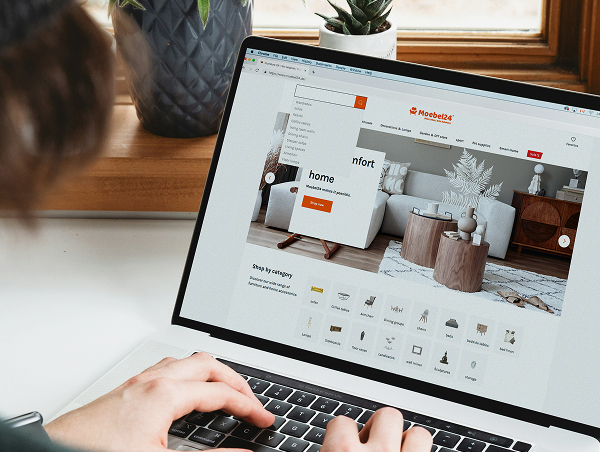
3.5M+ Products, 800+ Shops
The platform was built to handle a massive furniture catalogue spanning 3.5M+ products from 800+ online shops, including retailers such as OTTO, IKEA and home24.
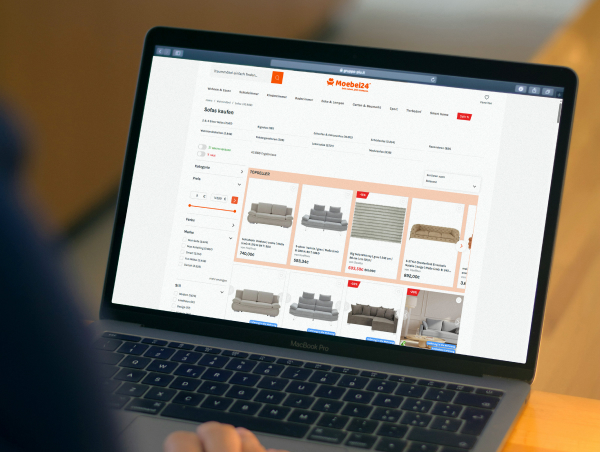
One Place to Discover Furniture
Shoppers could search and compare furniture across retailers using price, material, size, color and style, making product discovery more efficient across millions of choices.
His expertise has made a significant impact on our e-commerce platform. His dedication to continuous improvement and ability to work effectively with our team have been truly commendable.”
Philipp Schröder
CEO, Moebel24, Germany