
Running a modern staffing business means managing far more than candidates and job openings. Recruiters need to distribute jobs across multiple boards, connect with candidates across channels, work across ATSs, and increasingly bring AI into screening and interviews—all without letting these systems operate in silos.
Data Frenzy brings those moving parts together inside one multi-tenant recruiting ecosystem with VE engineering the technology behind it.

Data Frenzy is a recruiting technology company focused on helping staffing firms improve how they attract, engage, and manage talent. The company works in the fast-moving staffing and recruiting space, where recruiters rely on multiple tools, channels, and processes to manage candidates, jobs, clients, and day-to-day hiring operations.
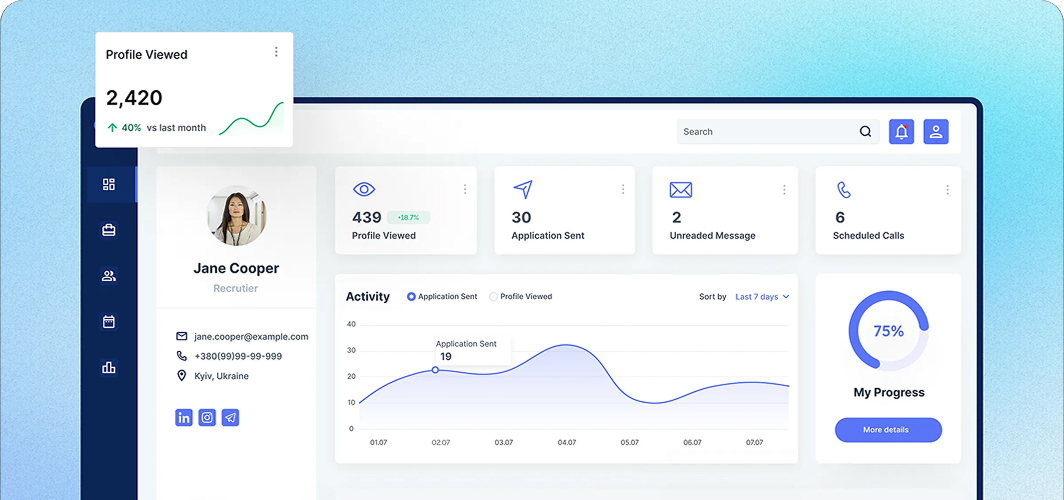
Data Frenzy needed one connected application to manage the recruitment process from start to finish - from finding and posting jobs to engaging candidates, screening and interviewing them, managing clients, and moving candidates through the hiring process.

Data Frenzy brought in VE to handle the breadth of engineering needed to run and grow a complex recruitment platform. From new development and integrations to legacy systems, automation, UI, and production support, VE worked alongside the team across the platform's evolving technical needs.

At its core, Data Frenzy had to work for different staffing businesses without becoming a different product for each one. The concept was to create one recruitment platform that could accommodate different business models, teams, rules, and ways of working.
That goes beyond simply putting recruitment functions in one place. The platform needed to understand how staffing businesses actually operate - how candidates are sourced and owned, how recruiters and clients interact, how submissions move forward, how permissions work, and how business-specific rules affect everyday actions.
The project was therefore about defining one common technology foundation for a highly varied staffing industry, flexible enough to support different ways of working while keeping the underlying product consistent.

Recruitment automation sounds simple until you try to automate the way staffing businesses actually work. Different rules govern candidate ownership, job sources, recruiter access, client submissions, communication, and workflow changes.
For Data Frenzy, the challenge was bringing these moving parts together while supporting different staffing businesses and an evolving technology stack.
This is where our 18 years of outsourcing experience became a practical advantage. Alongside solving client problems, we build tools for problems we face ourselves. InterviewFirst, our AI-powered recruitment automation tool, was born from our own hiring needs. That experience meant we had already worked through many of the same automation questions before solving similar requirements for Data Frenzy.
So, for the client, we don't just build around a requirement; we build from problems we understand.
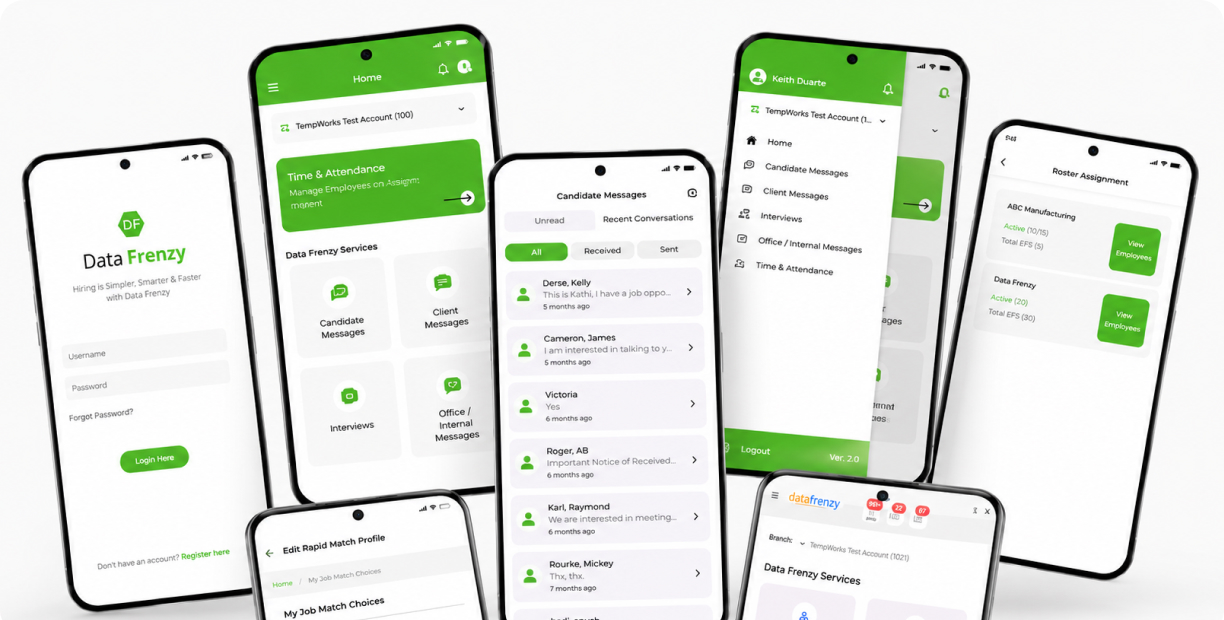
We developed web and mobile applications for Data Frenzy and built the supporting technology needed to make them work as one product.
That included the APIs, backend services, databases, real-time communication, notifications, third-party integrations, and automation behind everyday recruiting actions. A recruiter could update a candidate, a candidate could respond from mobile, a job could move through an external board, or an automated workflow could trigger a follow-up, and the platform had to keep everything in sync.

The mobile application gave recruiters access to key recruiting activities beyond the desktop, helping them stay connected to candidates, jobs, communication, and ongoing workflows while working away from their primary recruiting environment.

Mobile experiences supported candidates through job and application workflows, giving them a direct way to interact with recruiting activities without depending entirely on the desktop experience or recruiter-facing applications.

The mobile layer connected users to job and application data through the platform's APIs, allowing recruiting activities to continue outside the main web application while remaining connected to the underlying platform.

Candidate and recruiter communication could extend to mobile through connected messaging and notification services, helping users stay engaged with conversations and important recruiting activity while away from the main application.

Firebase-powered push notifications surfaced important recruiting activity on mobile, helping users stay informed about relevant events without needing to continuously open the application or manually check for updates.

The wider mobile ecosystem also supported LocalFrenzy candidate and employer experiences, extending Data Frenzy's recruiting technology to different audiences through dedicated experiences connected to the broader platform.

The Ionic mobile application connected with the broader Data Frenzy technology ecosystem rather than operating separately, allowing mobile actions to work with existing recruiting data, services, and workflows across the platform.

The mobile application communicated with Data Frenzy APIs for candidate processing, jobs, messaging, attachments, notifications, and other recruiting operations, allowing mobile interactions to use established backend functionality.

Authentication and access control used JWT Bearer and OpenID Connect, providing controlled access to platform functionality and helping ensure users could interact with relevant services according to their permitted access.

Mobile workflows connected with the platform's Microsoft SQL Server environment and shared database utilities, keeping mobile activity tied to the broader recruiting data rather than creating a separate information layer.

SignalR supported real-time communication between the mobile application and backend services, allowing relevant activity and updates to move through the platform without relying entirely on manual screen refreshes.

Firebase handled push notifications while other communication services supported SMS, email, and text relay, allowing important recruiting communication to continue without requiring every action to originate from the mobile interface.

Background services and workflow engines processed recruiting activities independently of the mobile application, allowing automated work to continue while the mobile experience remained focused on the actions users needed to perform.

Scheduled services supported resume parsing and processing in the background, allowing candidate information to be prepared through automated workflows rather than requiring recruiters or mobile users to manually process every resume.

Autobot, AutobotRMP, and AutobotVoiceAI supported automated recruiting journeys that could operate beyond the application's visible interface, allowing defined candidate activities and interactions to continue through background services.

OpenAI and ChatGPT capabilities supported resume parsing and candidate-processing workflows, helping convert unstructured resume information into usable recruiting data that could support subsequent activities across the platform.

Voice AI capabilities, supported by ElevenLabs and dedicated Voice AI services, enabled automated voice-based candidate interview and engagement workflows as part of the wider recruitment automation ecosystem.

Faiss provided vector-search capabilities for resume and candidate matching, adding a more intelligent search layer that could help identify relevant information beyond conventional keyword-based approaches.

Elsa supported workflow automation while AI services and Autobot processes helped automate parts of the candidate journey, allowing defined recruiting activities to progress through connected automated processes.

The mobile application was built using Ionic 6 and Capacitor, providing the mobile application layer while connecting the experience with Data Frenzy's broader APIs, services, communication infrastructure, and recruiting workflows.

C# and ASP.NET Web APIs provided backend services supporting mobile functionality and communication with the broader platform, including access to recruiting data, workflows, messaging, and connected application services.

SQL Server supported the underlying data layer, with shared database utilities and existing database structures providing the data foundation required for mobile application workflows and connected recruiting operations.

Firebase, SignalR, Plivo, Sinch, and SendGrid supported push notifications, real-time communication, SMS, and email capabilities, connecting mobile communication with the wider platform's messaging and notification services.

CmcWeb provided the recruiter-facing environment for managing jobs, candidates, communication, submissions, and day-to-day recruiting activities within the wider staffing and recruitment platform.

CandidateWeb and LocalFrenzy provided candidate-facing experiences for discovering opportunities, applying, communicating, and progressing through recruiting workflows without requiring candidates to use recruiter-facing applications.

ClientWeb gave clients access to relevant recruiting activities, including candidate submissions and collaboration with staffing teams, providing a dedicated experience separate from recruiter and candidate interfaces.

The platform supported publishing and distributing jobs across major job boards, including Indeed, Monster, ZipRecruiter, LinkedIn, Craigslist, Jooble, Talent, Jobcase, Pando, CareerBuilder, and Dice.

Resume search and matching capabilities helped recruiters find relevant candidates within the platform's candidate data, supporting candidate discovery as part of the wider recruiting workflow.

The platform supported SMS, email, text messaging, broadcast communication, chat, and candidate engagement workflows through connected communication services, giving recruiters multiple ways to communicate with candidates and clients.

Interview workflows and a dedicated interview calendar application supported scheduling and coordination between candidates, recruiters, and other participants, bringing interview activity into the broader recruiting process.

Recruiters could move candidates into client workflows and manage submissions as candidates progressed through recruitment, connecting candidate activity with the client-facing stages of the staffing process.

Roster imports, synchronization, and workforce-related workflows extended the platform beyond recruitment into ongoing staffing operations, supporting activities that continued after candidates moved further through the hiring process.

Dashboards, reporting capabilities, administrative tools, and internal applications supported management and operational teams, providing access to information and controls needed to oversee recruiting and related business activities.

CmcWeb served as the primary recruiter-facing application for day-to-day staffing activities, providing the working environment through which recruiters could manage candidates, jobs, communication, submissions, and related workflows.

CandidateWeb provided a dedicated experience for candidates interacting with jobs and recruiting workflows, separating candidate-facing activities from the internal tools used by recruiters and staffing teams.

ClientWeb provided clients with access to relevant candidate and recruiting activities, giving them a dedicated interface for interacting with staffing teams and reviewing relevant recruitment information.

Manage.DataFrenzy.com provided administrative functionality for managing the wider platform, giving administrators a dedicated environment separate from the recruiter, candidate, and client-facing applications.

The DataFrenzy Dashboard used Angular SSR to provide a dedicated reporting and operational experience, giving internal users another interface for accessing relevant platform information and activities.

OneStop and ClientInternal supported additional operational and accounting requirements within the broader ecosystem, extending the platform beyond core recruiting functions into internal business operations.

Chat widgets and job-board client sites extended the platform beyond its core portals, giving recruiting organizations additional ways to present opportunities and engage users through connected web experiences.

Chrome extensions brought selected recruiting functionality directly into the recruiter's browser workflow, allowing certain activities to be accessed without requiring users to remain inside the primary recruiting application.

A dedicated calendar application supported interview scheduling and coordination, providing a focused experience for managing interview-related activities within the wider recruiting workflow.

Existing ASP.NET Web API modules supported core Data Frenzy functions, including the Main API, RAM API, Mobile API, job-apply microservices, SendGrid webhook, LocalFrenzy APIs, and Craigslist integration.

ASP.NET Core and .NET 5 APIs supported newer capabilities across candidate processing, administration, messaging, chatbot sessions, notifications, attachments, and external integrations within the broader platform.

Backend services handled candidate-related workflows and moved candidate information between applications and connected systems, supporting the movement of recruiting data across different stages and parts of the platform.

Dedicated APIs and services supported SMS, email, text relay, notifications, and communication workflows across the platform, allowing different applications to use connected communication capabilities.

Dedicated services connected Data Frenzy with external ATSs, job boards, communication providers, and other third-party systems, allowing information and actions to move between the recruiting platform and connected services.

Common C# utility libraries and database components provided reusable functionality across different applications and services, supporting shared capabilities without requiring every part of the platform to implement them independently.

Background services automated the movement of job data into and out of the platform, supporting job-board distribution and other connected workflows without requiring recruiters to manually handle every transfer.

Automated roster imports and synchronization helped keep workforce information aligned with connected staffing systems, supporting ongoing staffing operations after candidates moved beyond the initial recruiting stages.

Dedicated services supported integrations with ATS platforms including Bullhorn, TempWorks, and Avionte, allowing relevant recruiting information to move between Data Frenzy and established staffing systems.

Background services handled email, SMS, text relay, and related communication processes at scale, allowing recurring communication activities to continue without requiring users to manually initiate every message.

Firebase services triggered push notifications based on relevant recruiting and platform activity, helping users receive timely updates without needing to remain inside the main web application.

Automated services supported Google job indexing, helping job information reach Google search experiences and extending the visibility of jobs beyond the platform's own interfaces.

Autobot and AutobotRMP services automated defined recruiting activities and repetitive workflows, helping reduce manual steps across recurring recruitment processes and candidate engagement activities.

AutobotVoiceAI extended automation into voice-based candidate interactions and interview workflows, adding automated voice capabilities to the wider recruitment and candidate engagement process.

Elsa provided workflow orchestration for automated processes requiring multiple steps or conditions, allowing connected recruiting activities to progress through defined sequences rather than relying entirely on manual actions.

Bullhorn, TempWorks, and Avionte integrations connected Data Frenzy with established staffing and recruiting systems, allowing relevant candidate, job, and operational information to move between connected platforms.

Indeed, Monster, ZipRecruiter, LinkedIn, Craigslist, Jooble, Talent, Jobcase, Pando, CareerBuilder, and Dice extended job distribution beyond the platform, giving staffing teams access to a broad network of recruiting channels.

Plivo and Sinch supported SMS and communication services, while SendGrid handled email delivery and webhooks, allowing multiple communication channels to operate as part of the broader recruiting platform.

Google Calendar and Microsoft Graph supported scheduling, calendar, and Microsoft ecosystem connectivity, extending the platform into productivity tools that staffing teams could already use in their daily work.

Google Translate supported multilingual requirements within the platform, providing translation capabilities that could be incorporated into relevant recruiting experiences and workflows where language support was required.

Facebook, Instagram, and LinkedIn integrations extended recruitment and social engagement capabilities, connecting the platform with social channels used for broader recruiting and candidate engagement activities.

Firebase supported push notifications and related application communication requirements, providing a connected notification layer for applications and services that needed to deliver timely updates.

OpenAI and ChatGPT capabilities supported AI-driven resume processing and other intelligent recruiting workflows, bringing language-based AI into parts of the platform where automated information processing could support recruitment activities.

Resume-processing workflows used AI to extract useful candidate information from resumes, making that information available to recruiting processes without requiring recruiters to manually review and structure every detail.

AI Journey automation helped automate parts of candidate engagement and progression through recruiting workflows, allowing defined interactions and activities to continue based on the candidate's place in the process.

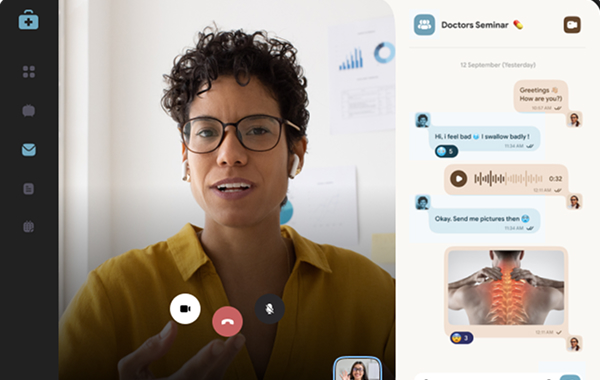
Voice AI capabilities supported automated candidate interviews and screening conversations, extending recruitment automation into voice-based interactions rather than limiting automated engagement to text and application interfaces.

Faiss enabled vector-based search and matching capabilities for candidate and resume data, supporting a more intelligent approach to finding relevant information across the available recruiting data.

Search and matching capabilities helped recruiters identify relevant candidates from available resume and candidate information, supporting faster candidate discovery within the broader recruitment workflow.

Elsa and AI-enabled automation allowed more complex recruiting workflows to run with less manual intervention, connecting intelligent services with defined processes and automated actions across the platform.

SQL Server formed the primary database layer, supporting the platform's recruiting, candidate, job, client, and operational data across the different applications and services within the broader ecosystem.

Existing stored procedures and SQL scripts supported established business logic and data operations, allowing important parts of the platform's existing functionality to continue operating through its database layer.

EF6 database-first contexts and EF Core 5.0.1 supported different generations of application development across the platform, reflecting the combination of established and newer technologies within the codebase.

Redis provided an additional data and performance layer for services requiring fast access or shared application data, complementing the primary SQL Server environment used across the platform.

The platform was maintained within an Azure DevOps/TFVC monorepo, bringing applications, services, scripts, and shared components into one development environment for the broader project.

IIS supported deployment of the web and backend components across the Windows-based hosting environment, providing the deployment layer for the platform's web applications and related services.

Deployment and TLS backup runbooks documented operational procedures for maintaining and recovering production environments, providing internal reference material for important deployment, backup, and recovery activities.

The platform combined Angular 16 with AngularJS 1.4.1 and modern ASP.NET Core/.NET 5 with .NET Framework 4.6.1–4.8 and ASP.NET MVC 5 across different applications and services.

Angular, AngularJS, Angular Material, Bootstrap, and PrimeNG supported the different web applications and user experiences, providing the frontend technologies used across the platform's varied interfaces.

C#, ASP.NET Web API, ASP.NET MVC 5, ASP.NET Core, Entity Framework 6.3, and EF Core 5.0.1 powered the backend ecosystem across different generations of applications and services.

JWT Bearer and OpenID Connect supported secure authentication and access across relevant applications and services, providing the mechanisms used to control access to protected platform functionality.

SignalR, Firebase, Plivo, Sinch, and SendGrid powered real-time communication, push notifications, SMS, and email, forming the communication technology layer used across different parts of the platform.

OpenAI/ChatGPT, ElevenLabs, Faiss, Elsa, Autobot, and Voice AI services brought AI, search, voice, and workflow automation into the platform, supporting intelligent and automated recruiting capabilities.

Visual Studio, Azure DevOps/TFVC, IIS, SQL Server, Redis, and supporting deployment documentation formed the development and operational foundation used to maintain and deploy the platform.
VE has supported Data Frenzy for five years, contributing to a platform that has continued to expand across new applications, integrations, communication channels, automation services, and AI capabilities.
Job distribution, applicant capture, ATS integration, SMS, email, chat, push notifications, mobile access, and browser extensions work together to extend the hiring journey beyond one application.
Automated journeys, voice AI interviews, ChatGPT-based resume parsing, and Faiss vector search have moved AI from an isolated experiment into practical candidate engagement, screening, and matching processes.
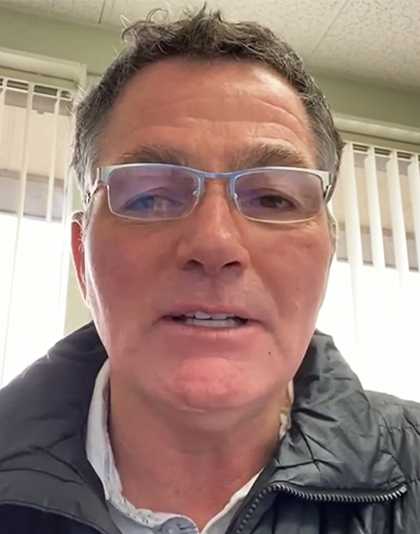
I am pleased to announce we are releasing our Voice AI conversational interview screening agent into production for our clients to use. What VE has built is phenomenal”
Keith Duarte
President, Data Frenzy (USA)